
Why Layouts Need Underground Electrical Lines Installation in 2026
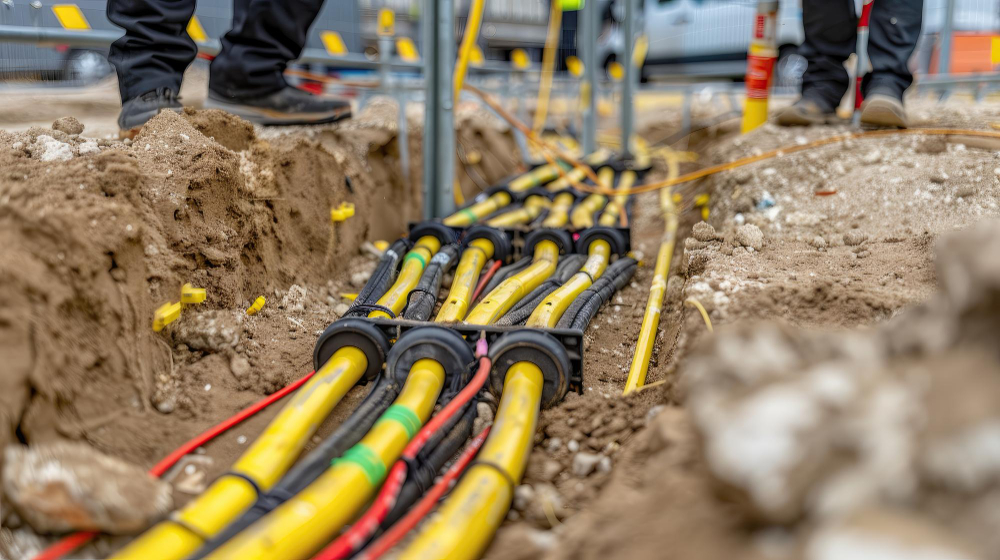
If you have walked through a newly developed township or a gated community layout and noticed how clean the skyline looks, no electrical wires, no unnecessary poles breaking the view, that is underground electrical lines doing their job silently under the ground.
Layouts that are still depending on overhead electrical lines are dealing with real problems: frequent outages, safety risks, regulatory pushback, and poor buyer perception. Underground electrical line installation has moved from being a “premium feature” to a fundamental requirement for large scale layout projects.
Overhead Electrical Lines Are Becoming a Problem for Layout Projects
A few years ago, running overhead electrical lines through a layout was needed, as it was cheaper upfront and faster to finish. But the problems that come with it have caught up now.
Overhead electrical lines are exposed to every storm, every fallen tree, and every weather event. In large township layouts, one damaged overhead line can cut power to hundreds of plots at the same time. Maintenance teams rush in, residents complain, and the project’s reputation takes a hit.
There is a safety problem too. In layouts where plots are close together and construction work is still going on, the risk of accidental contact with live overhead lines is something no MEP developer wants to deal with.
In 2026, layouts that carry these risks are harder to get approved and even harder to sell.
Why Underground Power Lines Are Now the Standard for Large Layouts
Underground power lines fix the problems that overhead systems simply cannot. Once they are laid under the ground, they are protected from weather, physical damage, and the daily wear that above ground wires go through year after year.
Here is what this means for a layout project in practical terms:
Power supply that does not break down: Underground electrical lines are not touched by storms, strong winds, or falling debris. For township layouts where power reliability directly affects property value, this is not optional anymore.
A cleaner layout that buyers actually notice: When someone walks through a layout and sees open sky instead of a mess of wires and poles, their perception changes immediately. Underground electrical infrastructure tells buyers that the developer has planned this project seriously and for the long term.
Less maintenance over the years: The upfront cost of underground electrical line installation is higher than overhead. But over 15 to 20 years, the savings on maintenance are real. No pole repairs, no emergency restoration after storms, no recurring overhead line issues.
Approvals are getting stricter: Many development authorities in 2026 are either making underground electrical infrastructure mandatory or pushing strongly for it in new township and layout approvals. Getting ahead of this now saves time later.
Thinking more about the Layout development read here
How Underground Electrical Line Installation Works for Large Layout Projects
Underground electrical line installation is not a one day job, and knowing the process helps developers plan the project better from the start.
It begins with route mapping and load calculation figuring out where lines need to run, what load the layout will carry, and how future phases will connect. After that comes trenching, conduit laying, cable pulling, and termination work at each distribution point across the layout.
For large layouts, directional drilling is now being used in areas where open trenching would disturb roads or existing construction. It is faster, cleaner, and causes less damage to the surface.
The key point is that the entire electrical infrastructure from the main receiving station to individual plot connections needs to be planned as one system at the beginning. Layouts that do this early avoid costly changes later.
The Real Cost of Delaying This Decision
Developers who push underground electrical infrastructure down the priority list end up spending more in the long run. Going back and refitting a layout from overhead to underground after construction is already done is expensive, slow, and sometimes not even straightforward depending on how built out the layout already is.
Doing the electrical line installation right at the planning stage protects the project budget, the timeline, and the credibility of the entire venture.
What Makes Leenus India Different
Most contractors handle one utility at a time, electrical to one team, drainage to another, water lines to a third. That means repeated trenching, poor coordination between teams, and underground problems that show up years after handover.
Leenus India is one of the first companies in India to offer a fully integrated underground utility solution electrical lines, drainage and sewer lines, and water lines, all planned and executed under one project scope. One team, one trench plan, no coordination gaps.
This approach saves time, reduces the overall project cost, and makes sure your layout’s underground infrastructure is built right from day one.
Planning a Layout Project? Let's Talk.
Getting underground electrical lines installation right is a long term investment in your layout’s value, safety, and buyer confidence.
If you are in the planning stage or already developing a township or large venture layout, this is the right time to speak with a team that handles the complete underground utility scope, not just one part of it.
Talk to the Leenus India team today and get a clear plan for your layout’s underground infrastructure.
Frequently Asked questions (FAQ's)
It depends on your location and the approving authority. Many urban development zones and planned township projects now require underground power lines as part of layout approval. Always check with your local development authority before finalising the electrical infrastructure plan.
Underground installation costs roughly 2 to 4 times more upfront than overhead lines. But when you account for lower maintenance, fewer outages, and a longer service life, the numbers work out better over time for large layout projects.
Yes, it is possible but it is a large and disruptive job. Trenching through a developed layout affects existing roads and infrastructure. Most developers find it far easier and cheaper to plan underground from the beginning rather than convert later.
Good quality underground electrical cables, installed properly with the right conduit and jointing, last between 30 to 40 years with very little maintenance needed in between.
