
DWC Pipeline Development - SK Builders & Developers, Vizianagaram
Project Overview
Client: SK Builders & Developers
Location: Vizianagaram, Andhra Pradesh
Project Type: DWC Pipeline
Duration: 2 Months
Summary
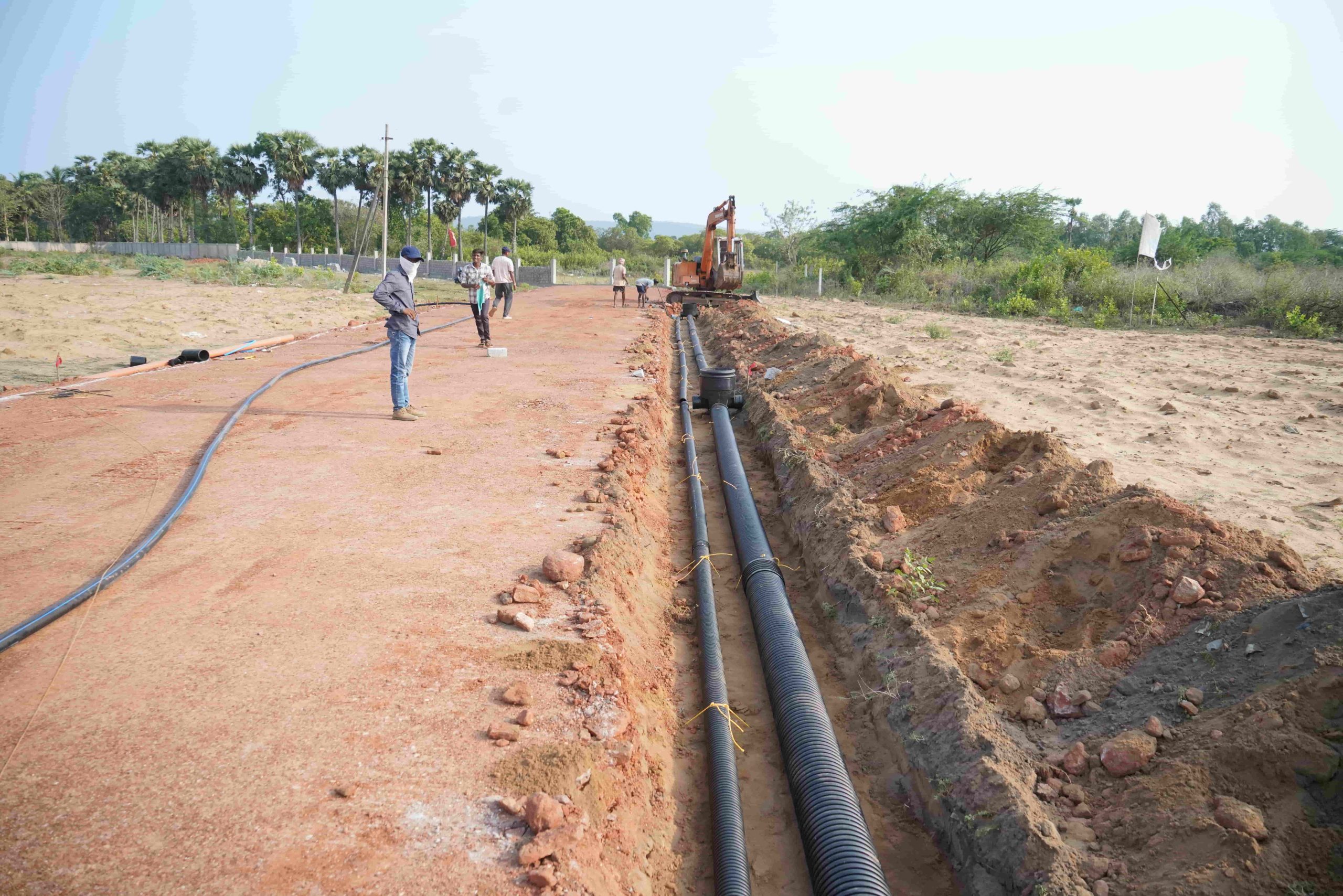
SK Builders & Developers brought Leenus India onto their Vizianagaram project with one clear requirement: a properly laid drainage line using DWC pipes, completed inside a tight two-month window. There wasn’t much margin for delay, so the plan had to hold up from the first day of survey right through to final testing.
The site needed a pipeline that could take the local load conditions without issue and keep flowing efficiently for years, not just pass inspection on day one. Leenus India used DWC (Double Wall Corrugated) pipes for this job, largely because they’re strong for their weight and quick to handle on site, which matters a great deal when the schedule is this compressed. The work was completed within the agreed two months, and the client now has a drainage system built to last with minimal upkeep down the line.
Solutions and Approach
Getting a job like this done in two months meant almost nothing could go wrong with the planning stage, so that’s where we spent our early effort:
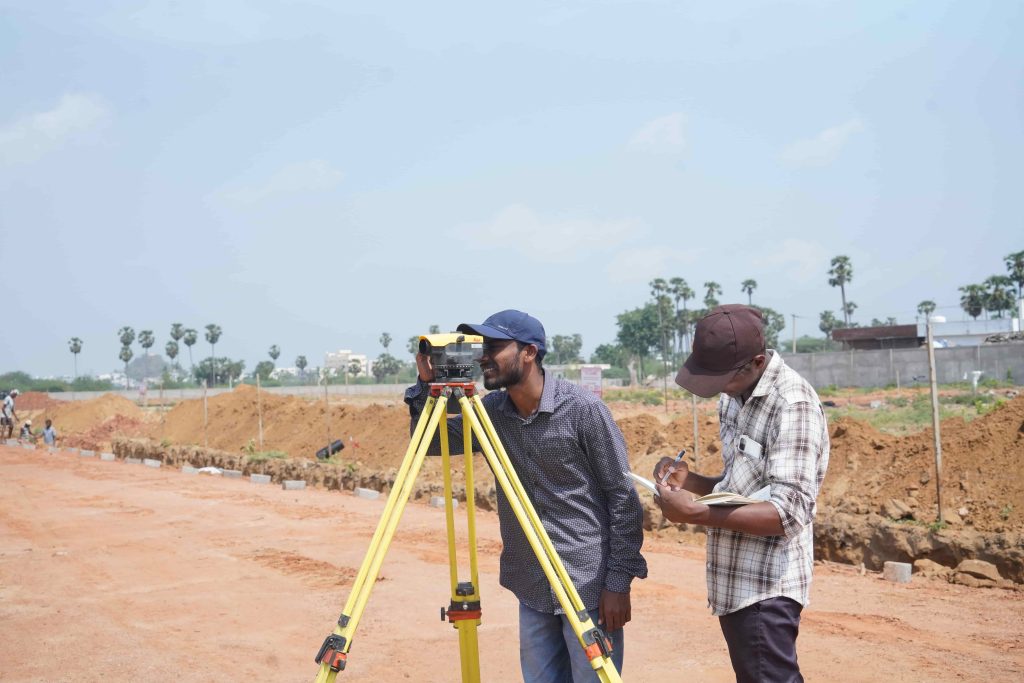
- Proper Planning: Our team surveyed the site before finalizing the pipeline route, working out an alignment that kept excavation to a minimum and avoided clashes with other ongoing site works. Once the crews moved in, they had a clear route to follow rather than decisions to make on the fly.
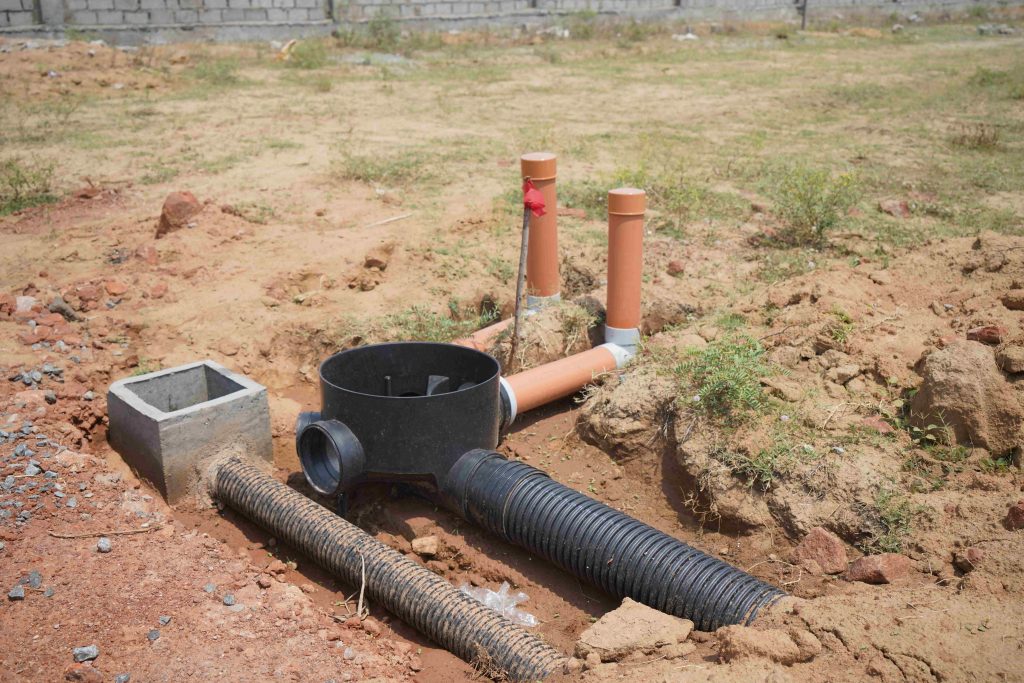
- Quality Materials: We went with DWC pipes for their ring stiffness, resistance to external loading, and smooth bore that keeps flow consistent over time. They’re also lighter and easier to join than heavier alternatives, which counted for a lot on a job this tightly scheduled.
- Efficient Execution: With two months on the clock, excavation, bedding, pipe laying, and backfilling were sequenced tightly, section by section, so no stretch of the line sat waiting on the next step to begin.
Execution
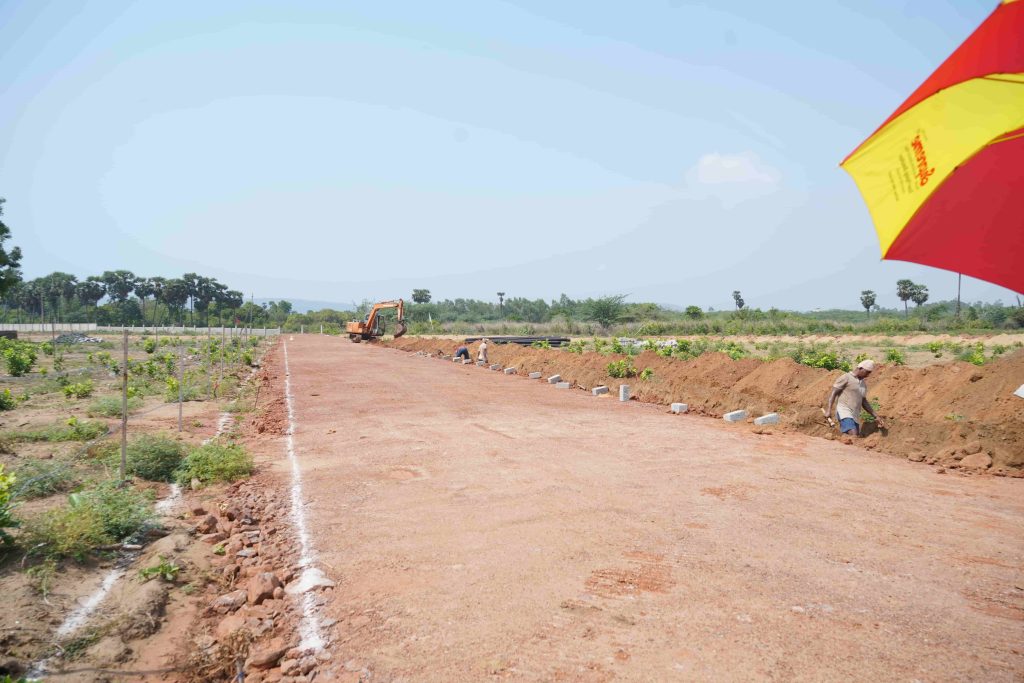
- Site preparation: The alignment was cleared and prepped in stretches rather than all at once, with safety barricades put up wherever the trench crossed paths with site movement or nearby residents.
- Material delivery: DWC pipes and fittings arrived in batches timed against the excavation schedule, so the crew was never left waiting on material to keep working.
- Installation: Pipes were laid to the designed gradient with close attention paid to joint alignment and sealing. Supervisors checked each section before backfill covered it, since a joint is far easier to fix before it’s buried than after.
- Testing and Commissioning: Once the line was complete, it went through flow and joint-integrity testing before handover, with a few minor adjustments made along the way to make sure it performed as required.
Implementation Steps
1. Site Survey & Alignment Planning
- Site levels and existing conditions surveyed before the pipeline route was finalized
- Alignment worked out to avoid clashes with other planned site activity
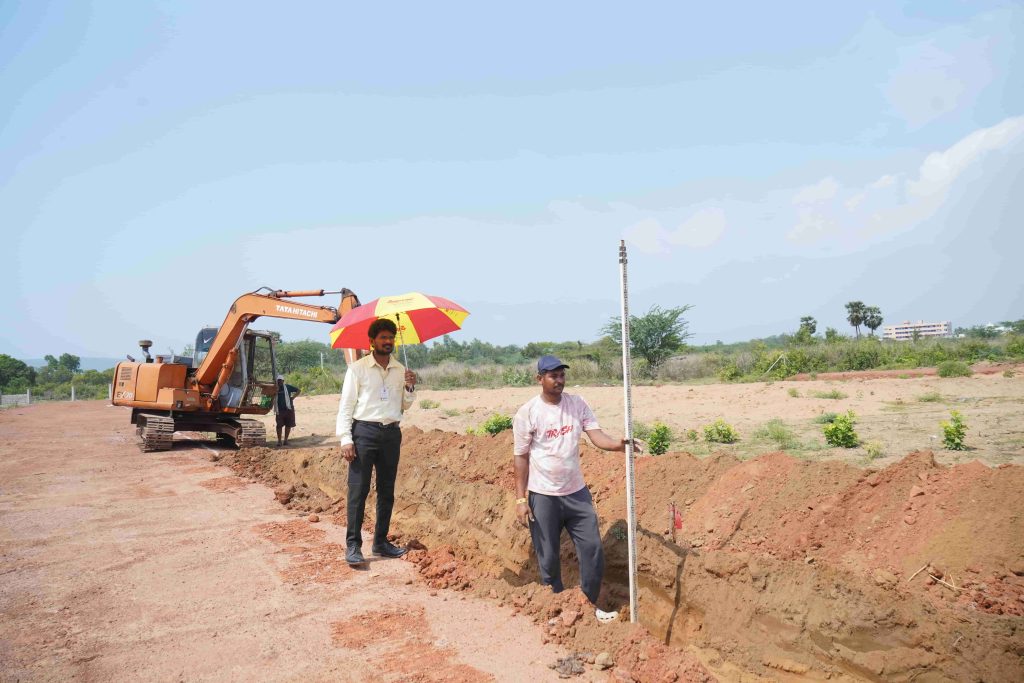
- Gradients calculated to support smooth, gravity-based flow along the line
2. Marking for Trench Cutting
- Trench lines marked out based on the finalized survey
- Markings cross-checked against site boundaries and existing structures before excavation began
3. Excavation
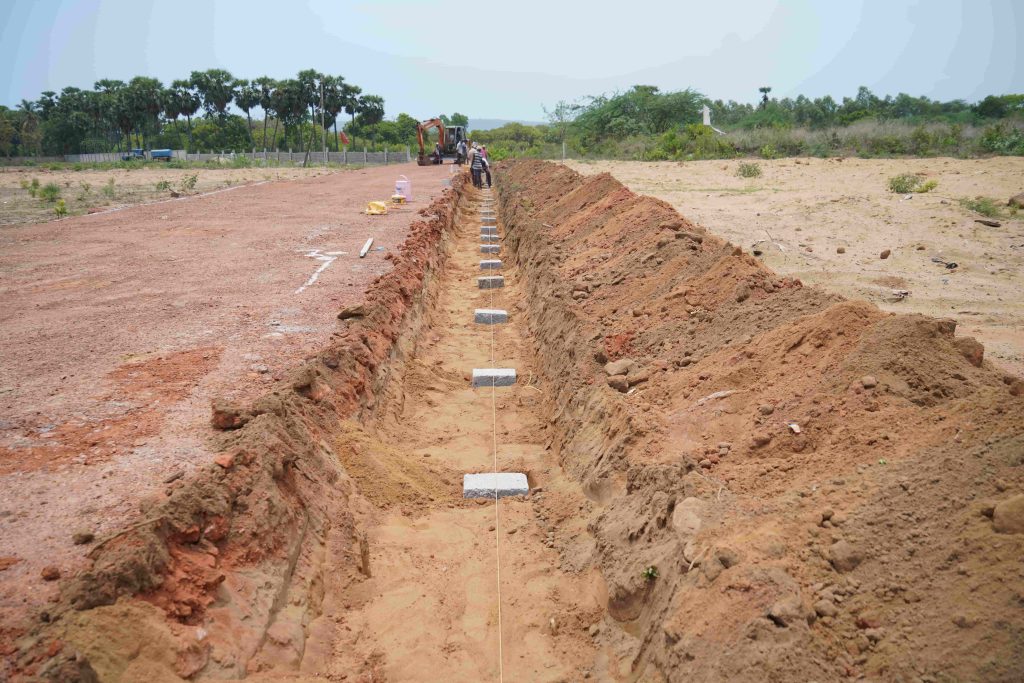
- Trenches cut to the depths specified in the design, worked through in sections
- Excavation paced against pipe delivery schedules to keep the two-month timeline on track
4. Bedding Preparation
- Trench bases leveled and compacted to give the DWC pipes a stable, even foundation
- Bedding done properly in every section, since skipping it is what usually causes settlement problems later
5. Pipe Laying
- DWC pipes laid section by section as per the approved alignment and gradient
- Joints connected and sealed with care to prevent leakage and keep flow steady
6. Backfilling & Surface Restoration
- Trenches backfilled in layers with compaction carried out at each stage
- Ground surface restored to match surrounding levels once each section was complete
Challenges and Solutions
1. Compressed Timeline
- Challenge: Completing the full pipeline within a strict two-month window.
- Solution: Work was broken into sections with excavation, laying, and backfilling run in close sequence, so progress never stalled waiting on another phase.
2. Site Soil Conditions
- Challenge: Certain stretches of the alignment had soil conditions that needed extra care during trenching.
- Solution: Bedding was reinforced in these areas and compaction was handled more carefully to keep the pipeline stable over the long term.
3. Coordination with Ongoing Site Activity
- Challenge: Pipeline work had to proceed while other construction activity continued on site.
- Solution: Sequencing was coordinated closely with the client’s site team, so the two sets of work didn’t end up competing for the same space or time.
Outcomes
- DWC pipeline network successfully installed and commissioned across the site
- A stable, leak-free drainage system delivered for long-term performance
- Project completed within the agreed two-month timeline
- Minimal disruption to other construction activity happening on site during execution
Conclusion
The SK Builders & Developers project in Vizianagaram is a straightforward example of what careful planning and the right materials can do under a tight deadline. Using DWC pipes and a tightly sequenced execution plan, Leenus India delivered a reliable drainage system on schedule, without cutting corners on quality.
It’s the kind of project that reflects how Leenus India approaches every job plan properly, use the right materials for the site, and get it done on time.
