
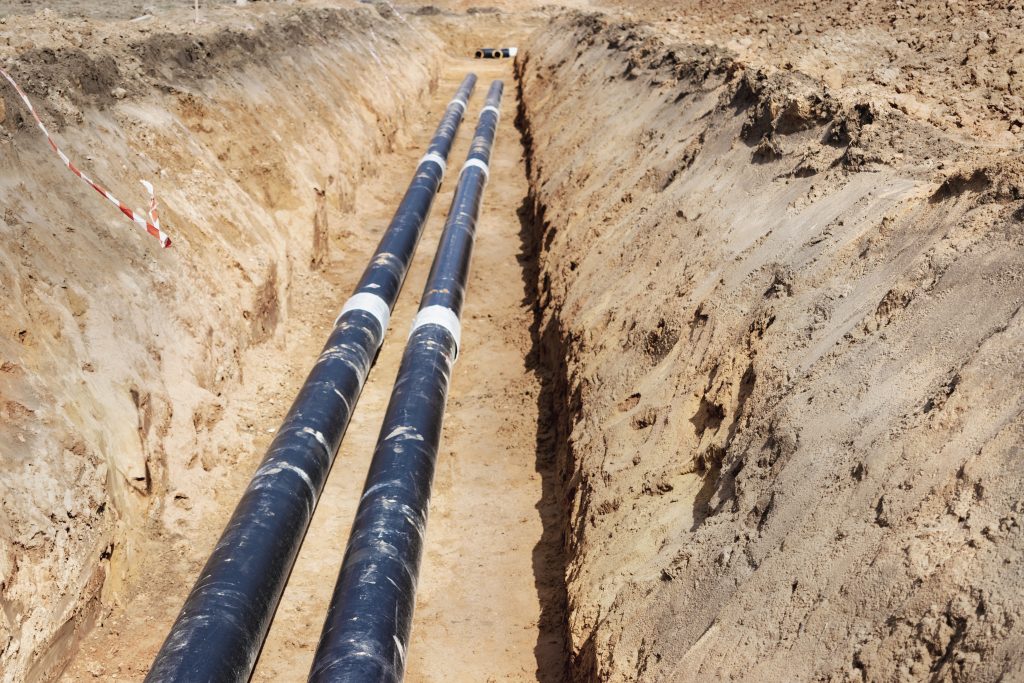
Innovative Drainage Solutions for Hyderabad's Expanding Infrastructure
Introduction: Addressing Hyderabad's Drainage Issues Head-On
With Hyderabad racing towards becoming an internationally acclaimed city, its infrastructure is battling at a furious rate of urbanization, shifting weather patterns, and outdated drainage systems. The recent floods and encroachments have revealed deep-seated weaknesses in the stormwater and wastewater networks of the city. Its drainage systems need bold, visionary solutions at the earliest, including modern underground drainage system that can withstand future challenges.
Current Reality: What's Going Wrong in Hyderabad
Aging Pipelines & Losses
Key pipes—such as the Gandipet (Osmansagar) and Manjeera pipes—are more than five decades old and leak almost 20 million gallons daily through leakage alone, while the leak rate is kept at a 4%. This puts tremendous pressure on supply and increases waterlogging. Modern replacements with the best underground drainage installation in Hyderabad are urgently needed.
Encroached & Blocked Nallas (Storm Drains)
HYDRAA received complaints from the public about clogged drains in places such as Patny and Chikoti Gardens reducing dramatically—some shrinking from 17 m to 1.5 m along short distances—obstructing water flow and causing flooding even in light rain (The Times of India). Encroachment-free corridors combined with smart underground drainage system in Telangana can restore capacity.
Inefficient Sewage Treatment & Infrastructure Shortfalls
Sewage Treatment Plants (STPs) constructed to treat the whole city are still not working at peak performance; heavy rains overburden the system and overflow into residential neighborhoods (The Times of India). Moreover, coordination shortfalls between organizations such as GHMC and HMWSSB leave newly dug drainage trenches unfilled, causing serious road damage and delays (The Times of India). Expanding underground drainage system can eliminate such recurring problems.
Why Traditional Drainage No Longer Works
Capacity Overrun from Extreme Weather
Heavy monsoons coupled with more impermeable surfaces within new developments overload typical drainage designs, which were originally designed based on historical rain trends (Leenus India).
Lack of Real-Time Monitoring
Existing systems are dependent to a significant extent on pre-scheduled manual inspections. The reactive system does not anticipate blockages, overflows or waterlogging in advance.
Maintenance Lapses & Siltation
Lack of regular cleaning and clear slopes clogs nallas with debris. Encroachment also reduces conveyance capacity and arrests natural drainage flows (SlideServe, ResearchGate). The best underground drainage installation in Hyderabad ensures smoother water conveyance and prevents recurring siltation problems.
Innovative Solutions for Hyderabad
Intelligent Drainage through IoT & Real-Time Monitoring
Install IoT sensors at key nallas and underground chambers to monitor water levels, flow velocity, and gas accumulation. Coupled with predictive analytics and mobile alerts, the configuration allows for pre-emptive cleaning and emergency dispatch—much like programs being tested nationwide (Leenus India).
GIS-Driven Drainage Mapping and Maintenance
Utilize GIS mapping to document the entire stormwater network and identify choke points or encroached areas. This will allow planned clearance drives and targeted enforcement by authorities such as HYDRAA (SlideServe, Leenus India, The Times of India). GIS integration is essential for scaling underground drainage system in Telangana to newer zones.
Upgrading and Replacing Old Pipelines
A century-old pipes around Gandipet and Manjeera need to be given top priority for replacement. Intuitive materials such as HDPE or CPVC (adopted by Leenus India) provide corrosion‐resistance and durable performance. This is the foundation of the best underground drainage installation.
Sustainable Urban Drainage (SuDS) & Green Infrastructure
Including SuDS—e.g., bioswales, rain gardens, detention basins, and permeable walkways—can minimize peak runoff loads and slow down urban flooding in areas such as Jubilee Hills, Banjara Hills and Outer Ring Road fringes (Leenus India). Such steps aid in soaking rainwater into the groundwater by filtering pollutants and complement underground drainage system services in Hyderabad.
Community-Driven Cleanliness and Enforcement
HYDRAA’s enforcement against nalla encroachments along the Rasoolpura area shows enforcement will assist—but community-based surveillance and reporting, through apps or grassroots committees, will clear drains longer and eliminate recurring flooding episodes (The Times of India). Local involvement ensures smoother adoption of underground drainage system in Telangana.
Implementation Framework: A Roadmap for Impact
Identify Priority Zones
Target pilot interventions at flood zones like Patny, Viman Nagar, and flood-prone localities around canal junctions.
Deploy IoT and GIS Tools
Fit level/flow sensors across key nallas.
Develop virtual drain maps overlaying blockage and encroachment areas.
Utilize dashboards for predictive alarms and real-time monitoring.
Coordinate among Agencies
Harmonize HYDRAA, GHMC, HMWSSB, water board and civic associations for coordinated pipeline replacement, drain revival, and ground-level coordination to backfill trenches in time.
Scale Sustainable Drainage Infrastructure
Incorporate SuDS in new developments and retrofit existing areas, with proposals included within area plans and infrastructure budgets.
Educate & Empower Communities
Conduct awareness campaigns regarding the dangers of dumping, encroachment, and benefit from reporting through mobile tools and helplines.
Why Leenus-Style High-Quality Drainage Solutions?
Durability & Low Maintenance: Corrosion-free materials such as uPVC, CPVC and HDPE provide a decades-long lifecycle with little maintenance (Leenus India).
Integrated Design & Tech: Merging quality piping with intelligent sensors, GIS and precision civil work—seen in Leenus India‘s sewer and storm system installations—guarantees comprehensive system performance.
By integrating these into underground drainage system, long-term performance is guaranteed.
Conclusion: A Smart, Sustainable Future
Hyderabad stands at a turning point: infrastructure that served it in the last century is currently getting overwhelmed by climate change and urbanization. Through the adoption of smart drainage systems, technology-driven monitoring, and green sustainable designs, governments are able to convert Hyderabad’s drainage system into a resilient, future-proofed system. An interagency partnership with tech providers and the community will guarantee flood resilience, water security, and healthier urban living—echoing the type of enduring quality and innovation inherent in Leenus India’s ethos.
📩 Contact Us
Looking for reliable and innovative underground drainage solutions in Hyderabad? Get in touch with us today to discuss your project needs.
Frequently asked questions (FAQ's)
An underground drainage system prevents waterlogging by channeling stormwater efficiently below the surface. It minimizes surface runoff, avoids road damage, and supports sustainable city infrastructure.
Yes, Hyderabad urgently needs a smart drainage system to manage heavy rainfall and urban flooding. Real-time monitoring, IoT sensors, and predictive maintenance help prevent blockages and ensure smooth water flow even during monsoon seasons.
Yes, smart drainage systems reduce costs by detecting blockages early through IoT and GIS-based monitoring. Automated alerts enable timely cleaning and repair, lowering long-term operational expenses.
Modern cities prefer underground drainage systems for safety, aesthetics, and efficiency. They handle large water volumes discreetly, reducing odor, overflow, and environmental damage in urban areas.
