
The Complete 2026 Guide to Underground Drainage Systems for Modern Buildings
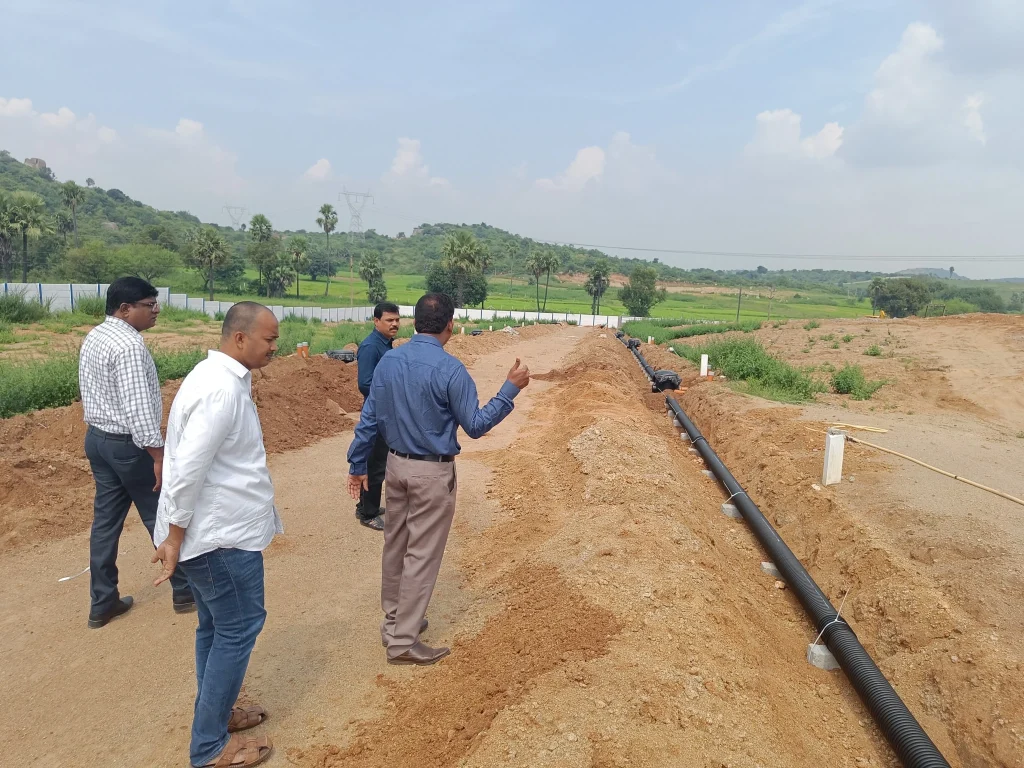
Modern layouts depend heavily on what’s under the surface. While buildings, roads, and landscapes are visible, the underground drainage system is what keeps cities functional, hygienic, and safe. Without a well-planned drainage network, even the most advanced building projects or well infrastructured cities can face flooding, structural damage, and long-term maintenance issues.
In fast-growing cities like Hyderabad, Bengaluru, and Vizag, large housing projects, commercial developments, and municipal layouts require efficient underground wastewater systems to handle growing urban demands.
This guide explains how modern underground drainage systems work, the best pipe materials used today, and how real estate developers can ensure long-lasting performance for large construction projects.
What is an Underground Drainage System?
An underground drainage system is a network of pipes installed below the ground that safely carries wastewater, sewage, and stormwater away from buildings and infrastructure. These systems are essential for:
- Residential layouts and gated communities
- Commercial and industrial buildings
- Government infrastructure projects
- Municipal sewage networks
- Real estate developments
For developers and contractors, a properly designed underground drainage system installation in India ensures smooth wastewater flow while preventing blockages, leakage, and corrosion.
Why Modern Buildings Require Advanced Drainage Networks
Urban expansion in states like Telangana, Andhra Pradesh has increased the demand for efficient underground sewage drainage contractors.
A professionally installed drainage system offers several advantages:
- Long-term durability
Modern drainage pipes are designed to resist corrosion, chemical reactions, and soil pressure. - Improved sanitation
Proper wastewater management prevents contamination and protects public health. - Structural safety
Effective drainage prevents water accumulation around foundations. - Scalability for large projects
Housing projects, municipal layouts, and infrastructure developments require drainage networks that support long-term expansion.
Types of Pipes Used in Underground Drainage Systems
Selecting the right pipe material is critical for performance, durability, and cost efficiency. Today’s modern drainage projects commonly use advanced polymer pipes instead of traditional concrete systems.
1. Eco Drain Pipes
Eco Drain pipes are widely used in modern construction projects because they are lightweight, corrosion-resistant, and designed for long service life. These pipes are ideal for residential layouts and large housing developments.
2. uPVC Pipes
uPVC pipes are among the most commonly used materials for PVC underground drainage pipe installation. They are durable, easy to install, and resistant to chemical corrosion, making them suitable for sewage systems and wastewater networks.
3. Solid Wall Pipes
Solid wall pipes provide additional strength and durability for projects requiring higher load resistance, especially in large infrastructure or municipal drainage installations.
4. Foam Core Pipes
Foam core pipes combine lightweight construction with strong structural performance. They are ideal for underground sewage systems where durability and easy installation are required.
5. DWC Pipes
DWC (Double Wall Corrugated) pipes are commonly used for storm water drainage and infrastructure projects. These pipes offer excellent load-bearing capacity and long-term durability.
Many contractors prefer premium solutions manufactured by trusted brands like Supreme Industries, known for producing high-quality drainage pipe systems used in major infrastructure developments across India.
Key Steps in Underground Drainage System Installation
A professional underground wastewater system contractor follows a structured installation process to ensure performance and durability.
1. Site Survey and Planning
Before installation, engineers conduct a detailed survey to evaluate soil conditions, water flow patterns, and project requirements.
2. Drainage Network Design
A well-planned drainage network ensures efficient wastewater flow while preventing blockages and overflow.
3. Pipe Selection
Choosing the right pipe type Eco Drain, uPVC, Foam Core, or DWC pipes depends on project scale, soil conditions, and load requirements.
4. Excavation and Pipe Installation
Trenches are carefully prepared before pipes are installed with proper slope alignment to allow smooth wastewater flow.
5. Testing and Quality Assurance
After installation, the drainage network is tested to ensure leak-free connections and proper water flow.
Applications of Underground Drainage Systems
Modern underground drainage networks are essential for multiple sectors, including:
- Real estate housing projects
- Government infrastructure developments
- Commercial and industrial buildings
- Municipal sewage networks
- Large construction and MEP projects
For real estate developers and infrastructure companies, installing a reliable drainage network ensures long-term performance and regulatory compliance.
Why Builders and Contractors Choose Leenus India
For developers working on large projects across Hyderabad, Bengaluru, and Visakhapatnam, choosing the right drainage partner is critical.
Leenus India provides complete underground drainage solutions designed for modern construction and infrastructure needs.
What Makes Leenus India Different?
- Authorized distributor of Supreme Industries drainage systems
- Premium quality Eco Drain, uPVC, Foam Core, Solid Wall, and DWC pipes
- Professional drainage network execution
- Reliable solutions for large infrastructure and real estate projects
- Experience working with builders, contractors, and government projects
Whether it is a drainage network installation for housing projects or large municipal sewage systems, the focus remains on delivering high-quality materials and excellent execution.
Conclusion
An efficient underground drainage system is one of the most important components of modern infrastructure. With rapid urban growth across Telangana, Andhra Pradesh, and cities like Hyderabad and Bengaluru, developers need reliable drainage systems that are durable, corrosion-free, and capable of handling large volumes of wastewater.
Choosing the right materials, proper planning, and professional installation ensures long-term performance for residential, commercial, and infrastructure projects.
If you are planning a construction or infrastructure project and require a reliable underground drainage solution, the right expertise and quality materials can make all the difference.
Request a complete site survey today and ensure your project is equipped with a durable and high-performance underground drainage system.
Frequently Asked questions (FAQ's)
Builders in Hyderabad commonly use PVC and CPVC pipes from trusted brands like Supreme Industries for durability and long-term performance.
PVC pipes are good for general water supply and drainage, while CPVC pipes are better for hot and cold water systems.
PVC is used for cold water and drainage. CPVC can handle both hot and cold water due to higher heat resistance.
Consider water pressure, building type, and usage. Always choose pipes that last long and need less maintenance.
