
Layout Development for MEP Projects in Hyderabad: Why Most Developers Get It Wrong
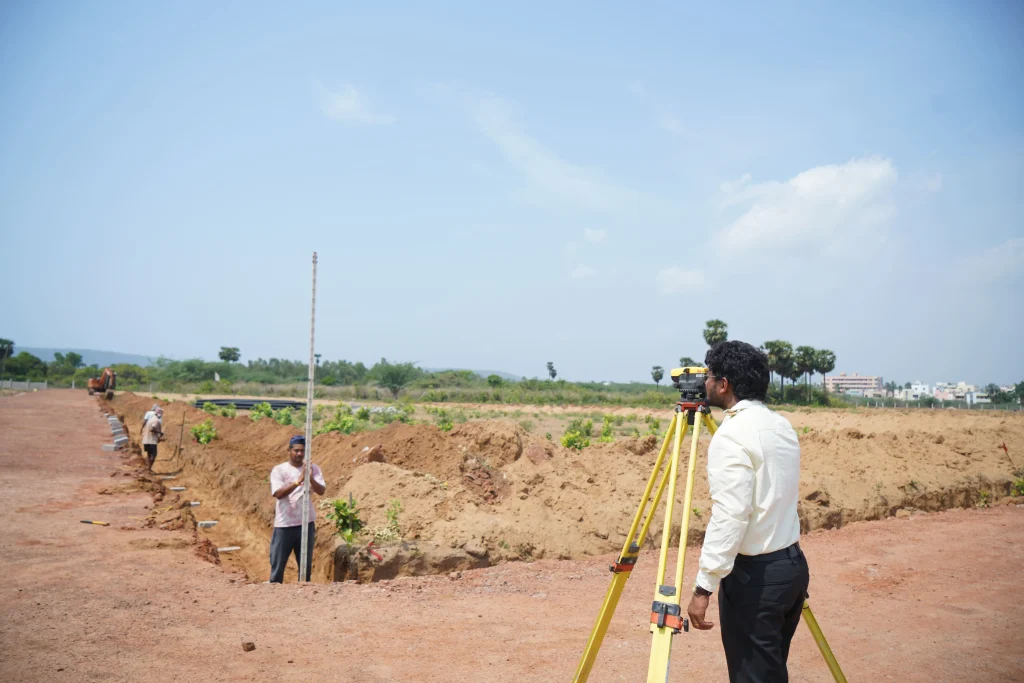
You have the land. You have the approvals. You are ready to develop.
But before the first machine enters the site, there is one decision that will determine whether your layout project succeeds or becomes a money pit depending on how well you plan your MEP infrastructure.
Most MEP developers in Hyderabad skip this planning stage. They jump straight into execution, hire the cheapest available contractors for drainage and electrical work, and hope everything comes together on site. It rarely does.
The result? Flooded roads during monsoon. Electrical ducts that clash with drainage lines underground. Water supply pipes with zero pressure. Buyers who visit the site once and never come back.
This blog will show you exactly what proper layout development for MEP projects looks like and how to protect your investment before you break ground.
What MEP Layout Development Actually Involves
MEP stands for Mechanical, Electrical, and Plumbing. In the context of layout development, it covers everything that goes underground and overhead across your plots drainage lines, water supply pipes, electrical ducting, and utility corridors.
When done correctly, MEP layout development creates a layout that works. Roads do not sink. Drainage flows freely during heavy rain. Every plot gets clean water at the right pressure. Electrical connections are clean and compliant.
When done poorly which is most of the time in Hyderabad the entire layout becomes a liability the moment buyers start moving in.
The 3 Biggest Mistakes in Underground Drainage Layouts
Underground drainage is the foundation of any layout project. Get this wrong and everything built on top of it suffers.
Mistake 1: No Proper Drainage Design
Most contractors in Hyderabad simply dig trenches and lay pipes without any engineering design behind it. There is no slope calculation, no flow design, no consideration for how water will move through the entire layout during peak rainfall. Underground drainage layouts need to be engineered not estimated.
Mistake 2: Wrong Pipe Selection
Not all drainage pipes are the same. Eco drain pipes, foam core pipes, and DWC pipes have different strength ratings and load capacities. Laying a light-duty pipe under a road that carries heavy vehicles will cause the pipe to collapse. Your road will sink and crack within months. Always insist on IS-certified pipes specified for the actual load conditions on your site.
Mistake 3: Skipping Inspection Chambers
Inspection chambers are the access points that allow drainage lines to be cleaned and maintained. Many developers skip them to cut costs. Five years later, the drainage system is completely blocked with no way to clear it without digging up the entire road. Chambers at every junction are not optional; they are a basic engineering requirement.
Electrical Works for Layouts - What Developers Miss
Electrical works for layouts are often treated as the last item on the checklist. That is a mistake that costs both time and money.
Underground electrical ducting needs to be laid before roads are built, not after. When electrical planning is delayed, you end up cutting open finished roads to lay ducts, which damages the road surface and adds unnecessary cost.
The electrical layout also needs to be coordinated with drainage and water supply lines. When three separate contractors plan three separate scopes without talking to each other, you end up with pipes and ducts crossing underground at the same depth. The only way to fix it is to dig everything up and start again.
Plan electrical works for your layout at the same time as drainage and water supply not after.
How Smart MEP Developers in Hyderabad Plan Layout Plots Differently
The developers who consistently sell out their layout plots faster than others do one thing differently: they treat infrastructure as a sales tool, not a cost.
When a buyer visits a layout and sees wide roads, clean inspection chambers with covers, visible water supply risers, and a proper electrical distribution box at the entry — they trust the project immediately. That trust converts to bookings.
Here is what a proper MEP development plan for layout plots looks like:
Single scope, single contractor. Drainage, water supply, and electrical ducting planned together and executed by one accountable team. No coordination gaps. No clashes underground.
Design before execution. Every pipe run, trench depth, chamber location, and duct path is drawn and approved before work begins on site.
Material compliance. Only IS-standard pipes and fittings from certified manufacturers. Every pipe size and specification is documented before procurement.
Testing before backfilling. Drainage lines flow-tested. Water lines pressure-tested. Electrical ducts continuity-checked. All done before a single trench is closed and before the road base is laid.
Documented handover. A full as-built drawing of every underground line handed over to the developer. This protects you legally and gives future maintenance teams the information they need.
Why Leenus India Is the Preferred Partner for Layout Development in Hyderabad
Leenus India handles complete MEP infrastructure for layout development projects across Hyderabad and Telangana underground drainage systems, water supply networks, inspection chambers, and electrical duct laying all under one roof with one in-house team.
When you work with Leenus India, your layout development is backed by engineering design, certified materials, and a team that has done this hundreds of times across Telangana and Andhra Pradesh.
Get a Free Site Review Before You Start
If you are planning layout development for an MEP project in Hyderabad, speak with our team before you finalise your contractor or place any material orders.
We will visit your site, review your layout plan, and give you a complete infrastructure scope with transparent pricing at no cost.
Call us today or fill the contact form on our website
Frequently Asked questions (FAQ's)
MEP planning helps prevent costly issues such as drainage failures, water supply problems, utility clashes, and road damage. Planning drainage, water, and electrical systems before construction reduces rework and improves project execution.
MEP layout development typically includes underground drainage systems, water supply pipelines, stormwater drainage networks, electrical ducting, inspection chambers, utility corridors, and infrastructure testing before project handover.
Underground drainage layouts often fail due to poor slope design, incorrect pipe selection, inadequate inspection chambers, and lack of proper engineering planning. These issues can lead to waterlogging, pipe blockages, and costly repairs.
MEP developers improve the value of layout plots by providing reliable drainage systems, proper water distribution, organized electrical infrastructure, and well-planned utility networks. Quality infrastructure increases buyer confidence and long-term property value.
