
Underground drainage installation: A Simple Guide for Layout Developers
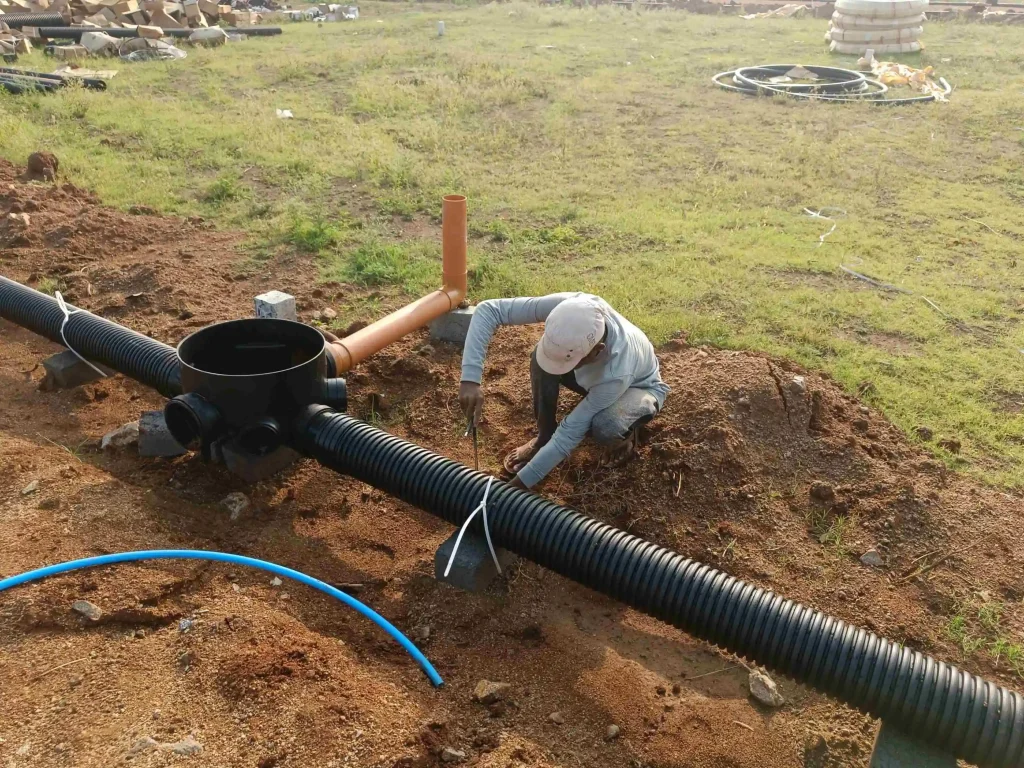
If you are planning a new development, then one of the main things to think about before construction starts is drainage. Planning and choosing the wrong pipes can lead to more digging, increased costs, and potential drainage issues in the future.
A good underground drainage selection is definitely the first step towards a successful Layout Development. Here are 7 easy steps for builders and layout developers who are planning for Underground Drainage Installation.
1. Check the Land Before Underground Drainage Installation
Before starting underground drainage installation, inspect the land for the soil conditions, ground slope, and water flow. Check whether the soil is loose, hard, or waterlogged, as these factors can affect pipe laying and stability.
Identify the drainage route and locate existing underground utilities to prevent damage during excavation.
Proper site inspection helps layout developers choose suitable pipes, determine excavation depth, estimate costs, and avoid future drainage problems.
2. Planning the Drainage Layout
Before starting excavation, mark the drainage pipe routes, inspection chambers, and outlet points as per the site plan. Decide the right slope, diameter, and connection points to ensure smooth flow of sewage water.
This helps avoid installation errors, ensures proper pipe alignment, and makes future maintenance easier.
3. Choosing the Right Pipe for Your Layout
DWC Pipes:
DWC Pipes are high-performance polyethylene conduits designed with a corrugated outer wall for high crush resistance and a smooth inner wall for fast, clog-free liquid flow, making them a modern standard for underground drainage and sewerage.
ECO Drain Pipes:
Eco-drain pipes are specialized structured-wall pipes engineered specifically for underground drainage, gravity sewerage, and rainwater discharge systems.
Select DWC or ECO Drain pipes according to the drainage application, expected loads, site conditions, and the manufacturer’s specifications.
Before starting underground DWC pipe installation, confirm the required pipe diameter, trench depth, bedding material, and installation guidelines. Following the manufacturer’s recommendations helps ensure the selected pipes are suitable for the site conditions.
4. Follow the Right Steps for Pipe Installation
Correct installation helps avoid any later drainage problems. Here is how the work is generally carried out.
- Mark the route: Mark the places where the pipes will be laid.
- Dig the trench: Dig according to the required depth, width, and slope.
- Prepare the base: Place suitable bedding material under the pipes.
- Connect the pipes: Join the pipes as instructed by the manufacturer.
- Install drainage chambers: Add chambers at the planned locations for easy inspection.
- Check the work: Check the pipe position and joints, complete the required tests, and then fill the trench.
Doing these steps during underground DWC pipe installation will make the drainage system work as expected.
5. Inspect the Pipes Before Backfilling
Before covering the pipes with soil, check whether all pipe joints are connected properly and the pipes follow the planned slope. Inspect the drainage chambers and outlet connections to ensure everything is in the correct position.
Conduct the required leakage and flow tests per the project specifications and the manufacturer’s guidelines. If you find any loose joints, alignment issues, or other defects, correct them before backfilling. This step helps prevent hidden installation problems, reduces the need for future excavation, and protects your investment in underground drainage installation.
Conclusion
Plan your underground drainage system before starting the project to avoid extra costs and future problems. Check the land and prepare the drainage layout. Select suitable pipe options to compare.
Leenus Infra provides drainage solutions for all your layout projects. Choose the right drainage pipes for your layout development. Contact Leenus India Today
Frequently Asked questions (FAQ's)
Layout developers, builders, and contractors can contact Leenus India to inquire about DWC drainage pipes for residential layouts and infrastructure projects. Share your project requirements to identify suitable pipe options.
DWC and Eco Drain pipes should be compared based on their specifications, load requirements, intended applications, and installation costs. The right choice depends on your site conditions and project requirements.
To get a quotation, share your drainage layout, approximate pipe length, excavation requirements, soil conditions, and project location with Leenus India. These details help assess the materials and installation requirements for your project.
Compare DWC drainage pipes and Eco Drain pipes based on technical suitability, pipe costs, excavation, drainage chambers, installation, and backfilling expenses. Leenus Infra can help you evaluate suitable options according to your project specifications and budget.
