
What to Look for When Hiring Underground Drainage Contractors Near Me
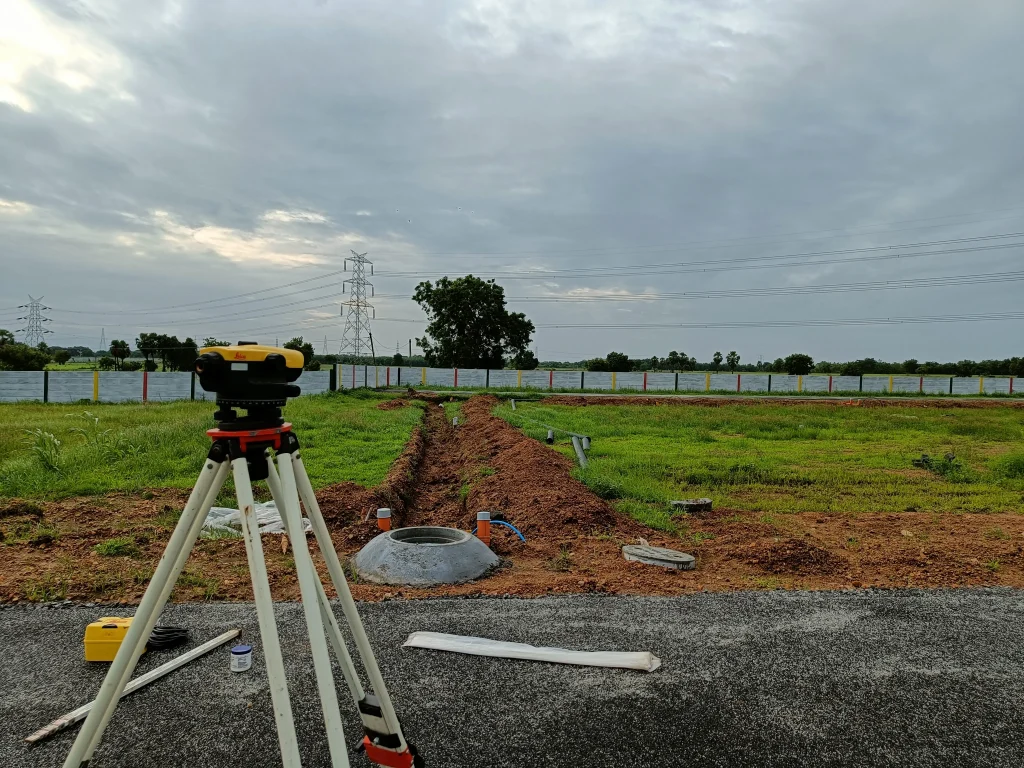
If you are a builder, layout developer, or property owner searching for underground drainage contractors near you, you already know one thing: not every contractor who says they can do the job actually delivers it right.
A poorly installed underground drainage system does not show its problems immediately. It shows up six months later with blocked pipes, road sinkage, sewage overflow, and expensive rework. By that time, your project is handed over and the damage is yours to fix.
This blog helps you make the right hiring decision the first time, what to look for, what questions to ask, and what red flags to walk away from.
Why Underground Drainage Is Not a Basic Civil Job
Most developers make the mistake of treating underground drainage like a simple digging and pipe-laying job. It is not.
A properly functioning underground drainage system requires hydraulic design to calculate pipe sizes and flow gradients, correct material selection based on depth and load conditions, precise installation to maintain consistent slope for self-cleaning flow, proper jointing and sealing at every connection point, and correctly spaced manholes for long-term inspection and maintenance access.
If any one of these is done incorrectly, the entire system underperforms. And underground problems are expensive to diagnose and fix after backfilling is done.
What Types of Underground Drainage Work Exist?
Before you search for underground drainage contractors near you, be clear about what you actually need.
New drainage network — For layout developments or new construction with no existing drainage. Involves full design, excavation, pipe laying, and connection to the municipal sewer or sewage treatment plant.
Drainage repair or replacement — For existing systems with blocked, cracked, or collapsed pipes. The contractor surveys the network and fixes problem sections.
Sewer line extension — Extending an existing underground drainage system to cover new plots or additional buildings in a growing layout.
STP connections — Connecting individual units or plots to a central sewage treatment plant within the layout.
How to Evaluate Underground Drainage Contractors Near You
Key Things to Check Before You Hire
Experience in layout or infrastructure projects: Ask specifically how many residential layout or civil infrastructure drainage projects the contractor has completed. Experience in underground work, not just above-ground plumbing, is what matters here.
Knowledge of pipe materials: A reliable contractor knows the difference between SWR pipes, Eco Drain pipes, Foam Core pipes, and HDPE pipes and can clearly explain which one suits your project depth, load condition, and budget without you having to prompt them.
Proper equipment on site: Underground drainage work requires excavators, compaction machines, pipe laying tools, and testing equipment. A contractor operating with only manual labour and basic tools will deliver slower timelines and lower quality output.
Drawings and BOQ before work begins: Any professional underground drainage contractor should provide a pipe layout drawing showing routes, manhole positions, and gradients long with a detailed Bill of Quantities before the project starts. If they cannot provide this, do not proceed.
References from completed projects: Ask for at least two or three references from previous clients specifically layout developers or civil contractors. A confident contractor will have no hesitation sharing this.
Red Flags to Walk Away From
These are the warning signs that an underground drainage contractor is not the right choice — regardless of how low their quote is:
Very low pricing submitted without any site inspection. Reluctance to provide a written agreement or BOQ. No references or past project examples available. Using unmarked or non-ISI certified pipes. No clarity on who handles backfilling, road restoration, or final testing.
The cheapest quote almost always becomes the most expensive project in the long run.
Questions to Ask Any Underground Drainage Contractor
- Have you designed and installed drainage for residential layouts before?
- What pipe material will you use and what is your reason for that choice?
- Can you provide a pipe layout drawing and BOQ before we start?
- What is your realistic timeline from start to completion?
- Do you handle backfilling and road surface restoration as part of the scope?
What warranty do you provide on workmanship?
What Affects the Cost of an Underground Drainage System?
Pricing for an underground drainage system varies depending on total pipe network length, pipe diameter and material type, depth of laying, number of manholes required, soil conditions and site accessibility, and whether connection to a municipal sewer or treatment plant is needed.
Always get a minimum of two to three quotes with a proper BOQ breakdown. Never decide on price alone.
Leenus India - Underground Drainage Contractors in Hyderabad
Leenus India specialises in underground drainage systems for residential layouts, commercial projects, and infrastructure developments across Hyderabad and Telangana. Featured by Forbes India among emerging leaders in the infrastructure sector, Leenus India brings engineering expertise, quality-certified materials, and end-to-end project execution to every drainage project.
We supply and install Supreme Eco Drain pipes, Foam Core pipes, SWR pipes, and HDPE pipes recommending the right specification based on your actual project requirement, not just what is available in stock.
Every project starts with a site survey, includes a detailed drawing and BOQ, and is backed by a workmanship guarantee. We handle excavation, pipe laying, manhole construction, backfilling, and final testing under one scope so you have one point of accountability throughout.
Looking for reliable underground drainage contractors near you in Hyderabad or Telangana? Contact Leenus India for a free site visit and project consultation today.
Frequently Asked questions (FAQ's)
Search for contractors with verified experience in layout or infrastructure drainage projects. Check for proper BOQ documentation, ISI-certified pipe usage, past project references, and written workmanship warranties before making any hiring decision.
etime.
An underground drainage system includes a network of sewer pipes, branch connections to each plot or unit, manholes at junctions for inspection access, a gradient-designed flow path, and final connection to a municipal sewer line or sewage treatment plant.
A properly designed and installed underground drainage system using quality PVC, HDPE, or Eco Drain pipes lasts 30 to 50 years with minimal maintenance when installation gradients, pipe jointing, and manhole spacing are executed correctly.
For residential layout drainage, pipes are typically laid at 1 to 2 meters depth. The exact depth depends on the gradient required, road crossings, connection invert levels, and local authority specifications.
