
Storm Water Drainage: The Foundation of Safer and Smarter Infrastructure
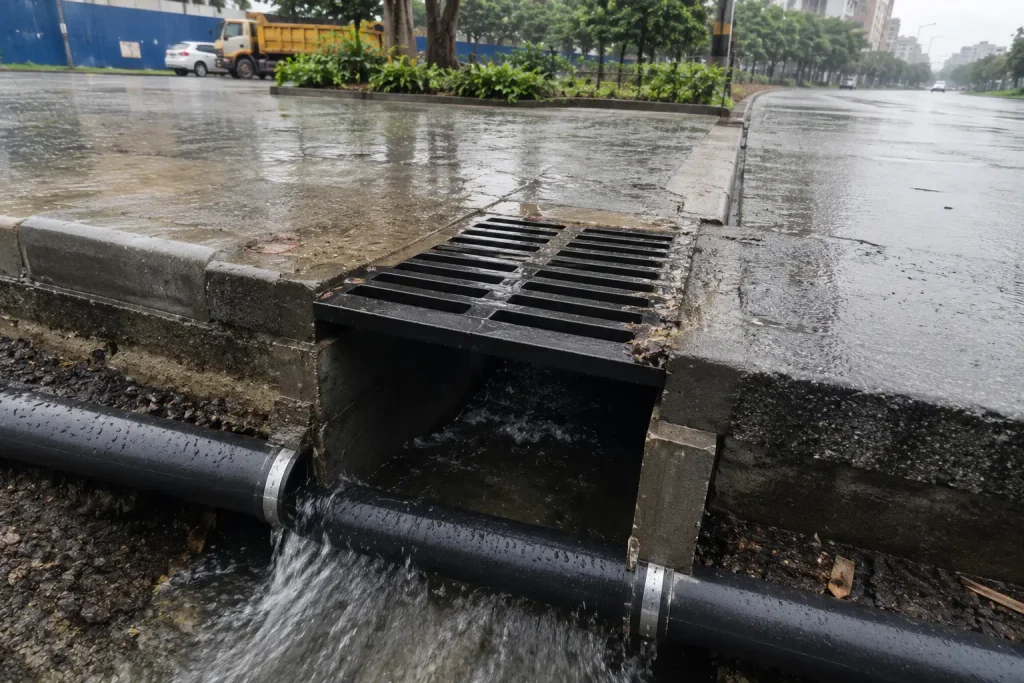
Every year, heavy rainfall causes flooded roads, damaged buildings, and disrupted daily life across cities and towns. In many cases, the problem isn’t the amount of rainfall, it’s the inability of the drainage network to carry water away efficiently. A well-planned storm water drainage system plays a vital role in protecting infrastructure, reducing flood risks, and ensuring communities remain safe during every monsoon.
Whether it’s a residential township, a commercial complex, an industrial park, or a large infrastructure project, effective drainage is one of the first things engineers and developers should consider. When rainwater is managed properly, roads last longer, buildings remain protected, and maintenance costs stay under control.
What Is Storm Water Drainage?
Storm water drainage is the process of collecting and safely transporting rainwater away from developed areas through a network of pipes, inspection chambers, drains, and outlets. Unlike sewer systems, which carry wastewater from homes and industries, stormwater drainage systems are designed exclusively for rainwater.
Their purpose is simple yet essential: prevent water from accumulating where it shouldn’t. During heavy rainfall, a properly designed storm water drainage system quickly directs excess water to designated discharge points, reducing the chances of flooding and protecting surrounding infrastructure.
Without an efficient drainage network, rainwater can collect on roads, weaken foundations, erode soil, and damage underground utilities. Over time, these issues become expensive to repair and can significantly affect the lifespan of a project.
Why Every Infrastructure Project Needs a Reliable Drainage System
Stormwater management is often overlooked during the planning stage, but it has a direct impact on the durability and performance of any development.
An effective drainage system helps:
- Prevent flooding during heavy rainfall.
- Protect roads, pavements, and parking areas from water damage.
- Reduce soil erosion around buildings and landscapes.
- Extend the life of underground utilities and drainage networks.
- Improve public safety by eliminating waterlogged areas.
- Lower long-term maintenance and repair costs.
For builders, contractors, developers, and government agencies, investing in quality drainage infrastructure isn’t just about compliance, it’s about creating projects that continue performing efficiently for decades.
Choosing the Right Storm Water Drainage Solutions
Every site has different drainage requirements. Factors such as rainfall intensity, land slope, soil type, and project size all influence the type of drainage system required. That’s why selecting the right storm water drainage solutions is an important part of any construction project.
Modern drainage systems are designed to handle large volumes of rainwater while remaining durable and easy to maintain. Quality drainage components provide better water flow, resist corrosion, and reduce the chances of blockages that can interrupt the entire drainage network.
Another important consideration is future maintenance. Well-designed systems include inspection points and access chambers that allow engineers to monitor and clean the network whenever required, helping maintain smooth performance year after year.
Why Stormwater Drainage Pipes Matter
At the heart of every drainage network are the stormwater drainage pipes that carry collected rainwater from one point to another. These pipes must be capable of handling heavy water flow while remaining strong enough to withstand underground loads and changing weather conditions.
High-quality stormwater drainage pipes offer several advantages:
- Smooth internal surfaces that improve water flow.
- High structural strength for underground installations.
- Excellent resistance to corrosion and chemicals.
- Reduced maintenance requirements.
- Long service life even in demanding environments.
When installed correctly alongside inspection chambers and properly planned drainage layouts, these pipes ensure reliable water movement and help prevent water accumulation during peak rainfall.
Planning for Long-Term Performance
Installing a drainage system involves much more than placing pipes underground. Proper planning ensures that water flows naturally without creating bottlenecks or maintenance challenges later.
Before installation, engineers typically evaluate rainfall data, drainage gradients, pipe capacity, ground conditions, and future development plans. A well-designed drainage network not only performs better during heavy rains but also reduces operational costs throughout the life of the project.
Using durable materials and following proven engineering practices ensures the system continues to function efficiently with minimal maintenance.
Building Infrastructure That Lasts
As cities expand and weather patterns become increasingly unpredictable, reliable drainage infrastructure has become more important than ever. Effective storm water drainage solutions protect valuable assets, improve public safety, and support sustainable urban development.
Choosing quality materials, designing the system correctly, and installing dependable stormwater drainage pipes can make the difference between a drainage network that performs for years and one that requires constant repairs.
Conclusion
A dependable storm water drainage system is more than just an underground network—it’s an investment in the long-term success of any infrastructure project. From preventing floods and protecting roads to improving public safety and reducing maintenance costs, effective drainage supports stronger and more resilient communities.
At Leenus India, we understand the importance of building infrastructure that performs reliably in every season. Our advanced storm water drainage solutions, high-performance stormwater drainage pipes, and complete drainage products are designed to meet the demands of modern residential, commercial, industrial, and municipal projects. By combining quality products with practical engineering, we help developers, contractors, and infrastructure professionals create drainage systems built to deliver lasting performance for years to come.
Contact Leenus India Today for reliable storm drain system this rainy season
Frequently Asked questions (FAQ's)
The best storm water drainage system depends on the project size, rainfall intensity, soil conditions, and expected water flow. High-quality drainage pipes and properly designed drainage networks ensure efficient water management and long-term performance.
Choose a trusted manufacturer that offers durable drainage pipes, inspection chambers, and complete storm water drainage solutions designed for residential, commercial, industrial, and infrastructure projects.
Consider rainfall capacity, pipe material, load-bearing requirements, installation depth, maintenance access, and compliance with engineering standards. Selecting the right system helps reduce maintenance costs and improves long-term reliability.
High-strength PVC, HDPE, and other engineered drainage pipes are widely used because they provide excellent water flow, corrosion resistance, and long service life in underground drainage applications.
