
Underground Drainage Pipes: Types, IS Standards & Uses Guide
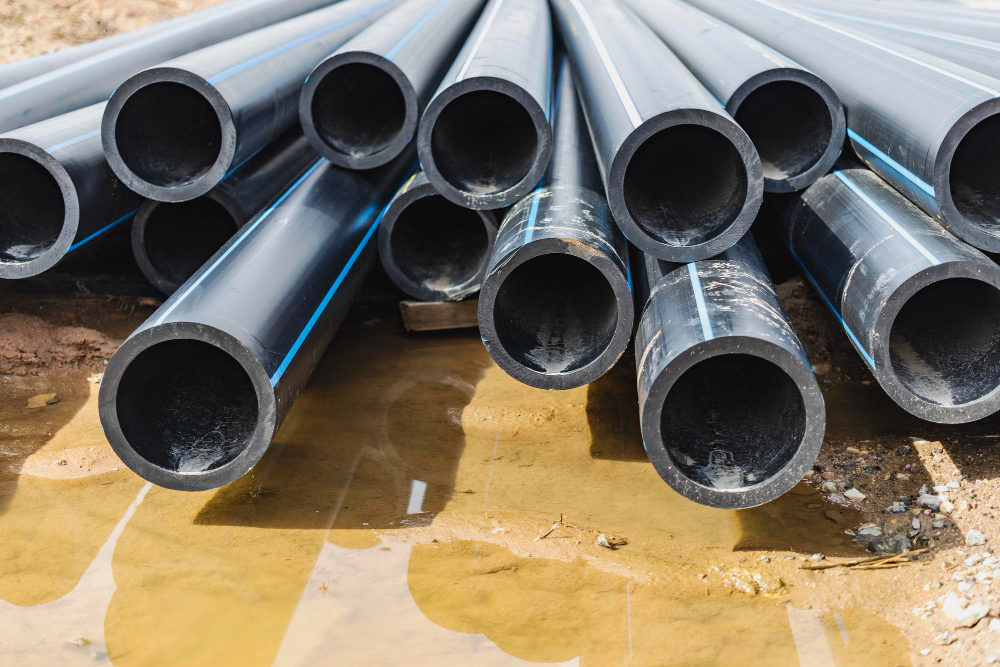
Choosing the right underground drainage pipes is one of the most important decisions in any construction or layout project. Get it wrong, and you are looking at waterlogging, leaks, and repair costs years down the line. Get it right, and your drainage system runs smoothly for decades without a single headache. In this guide, we will walk you through the main types of underground drainage pipes available in India today, the IS standards behind them, and how to pick the right one for your project.
Why Underground Drainage Matters
Every building, layout, or industrial site depends on a strong underground pipe network to carry away wastewater and rain runoff safely. If the pipe material is weak, poorly rated, or does not match the soil conditions, the whole system fails early. That is why understanding underground drainage pipe types and certifications is not just technical detail, it directly affects how long your system lasts and how much you spend on repairs later.
Types of Underground Drainage Pipes You Should Know
- Eco-Drain Hi-Tech Structured Wall Pipes (IS 16098)
These are engineered for leak-proof performance using click-ring and sealing-ring joints. The smooth inner wall stops sediment buildup, so you avoid slow drains and blockages. They are lightweight, install faster than traditional pipes, and resist corrosion far better than old-style RCC or stoneware pipes. - Solid Wall Pipes (IS 15328)
Built for strength and simplicity, Solid Wall Pipes meet IS 15328 standards and are ideal for home sewage, industrial waste, and surface water drainage. They are lighter than concrete, easier to transport, and hold up well against chemical exposure, a common issue in Hyderabad’s soil and water conditions. - Foam Core Pipes (IS 16098)
Using a three-layer design, Foam Core Pipes are up to 35% stronger than solid PVC pipes while staying lightweight. Available from 110mm to 315mm in SN-2, SN-4, and SN-8 stiffness classes, they are a cost-effective choice for large-scale piping networks and municipal projects. - Ultra Plus DWC Pipes
Double-wall corrugated construction makes these pipes tough enough for heavy traffic loads and shifting soil. With sizes ranging from 75mm to 800mm and a lifespan of over 100 years, they are built for serious underground pipe applications, from residential layouts to municipal sewer upgrades.
- PE Pipes (IS 14333)
Perfect for both gravity flow and pressure sewer systems, PE Pipes use butt-welding for seamless, leak-free joints. They range from 63mm to 630mm with pressure ratings from PN 2.5 to PN 16, making them a reliable choice for municipal sewerage and industrial wastewater.
Don't Forget the Fittings
A strong pipe is only half the system. Underground drainage pipes and fittings need to work together as one unit, inspection chambers, manholes, and couplers all play a role. Ultra Inspection Chambers and Ultra Manholes, for instance, are designed to handle heavy loads of up to 40 tons while staying fully leak-proof, making routine maintenance and video pipe inspection much easier down the line.
Understanding BIS Pipe Standards
Every pipe type mentioned above is manufactured to match specific IS codes set by the Bureau of Indian Standards. A genuine bis pipe has been tested for wall thickness, pressure tolerance, and durability before it ever reaches a construction site. Always check for the ISI mark and the relevant IS number printed on the pipe itself, this small detail protects your entire drainage investment.
How to Choose the Right Pipe for Your Project
Before finalizing your order, consider the following factors:
- Soil type and terrain in your project area
- Expected load, residential foot traffic versus commercial vehicle load
- Budget versus long-term durability
- Local climate, especially monsoon-heavy regions like Hyderabad and Telangana
If you are searching for underground pipes near me, always confirm the supplier provides IS-certified products with proper documentation. Reputable distributors will never hesitate to share certification details, and this small check can save you from costly replacements later.
Why Choose Leenus India
At Leenus India, every underground drainage pipe we supply, from Eco-Drain to Foam Core to PE Pipes, is manufactured to IS standards and backed by our own installation and engineering team. Whether you are a builder planning a new layout or a homeowner upgrading an old underground drainage line, we help you choose the right pipe type for your specific site conditions.
Final Thoughts
The right underground drainage pipes do not just move water, they protect your property, save you money on repairs, and last for decades when chosen correctly. Understanding the different types, their IS standards, and how underground drainage pipes and fittings fit into the bigger picture puts you in a much stronger position before you start digging.
Ready to plan your drainage project the right way? Get in touch with Leenus India for certified underground drainage pipes and complete installation support across Hyderabad and Telangana.
Frequently Asked questions (FAQ's)
The right pipe depends on soil conditions, installation depth, traffic load, drainage requirements and project scale. For residential layouts, structured-wall, foam-core and DWC pipes can be considered based on the required stiffness class and site conditions.
Areas exposed to heavy vehicle loads require pipes designed to withstand external loading and ground movement. DWC pipes or other appropriately rated structured-wall systems may be suitable, depending on burial depth, soil conditions and traffic loading.
The applicable IS standard depends on the pipe type. For example, IS 16098 applies to certain structured-wall and foam-core PVC pipes, while IS 15328 covers unplasticized PVC pipes for soil and waste discharge systems. Always verify the standard applicable to the specific product and application.
Yes, but the pipe must be selected according to the project's load requirements, burial depth, soil conditions and installation specifications. For road applications, structural performance and stiffness are particularly important because of repeated vehicle loading.
